
 AI / Creative authorship
Can an interior design studio use AI without losing its own style?
In short: Yes. A studio loses its style when it lets a generic model decide what “beautiful” looks like. It keeps its style when it first turns its own references, materials, proportions and rules into a system the AI has to follow. Done in that order, AI becomes a faster way of exploring the studio's own language, not a replacement for it.
Why studios fear AI, and why the fear is reasonable
Every image model has been trained on millions of interiors, most of them mediocre. Ask it for “a luxury living room” and you get the statistical average of luxury: the same beige sofa, the same arched window, the same travertine. A studio with thirty years of judgment sees that image and, rightly, wants nothing to do with it.
The problem is not the model. The problem is asking it a generic question. A studio that would never brief a junior designer with “make it luxurious” is briefing the AI exactly that way, and then blaming the AI for the answer.
Style is a set of decisions, and decisions can be written down
Ask any creative director what makes their work theirs and they will struggle to say it in one sentence, yet they recognise it instantly. It lives in hundreds of small choices: how much of a wall is left empty, which three woods they always return to, the ratio of warm to cool light, the way a curtain meets the floor.
The work of using AI well is the work of making those choices explicit. In practice this means building three things before generating a single image:
- A reference library of the studio's own projects and the external references it actually admires, tagged by what matters—atmosphere, material, proportion and light—rather than by room type.
- A written language: a short document that states the rules the studio follows and, just as important, the things it never does.
- A bespoke assistant that has read both, so that every brief, prompt and review starts from the studio's position rather than from the internet's.
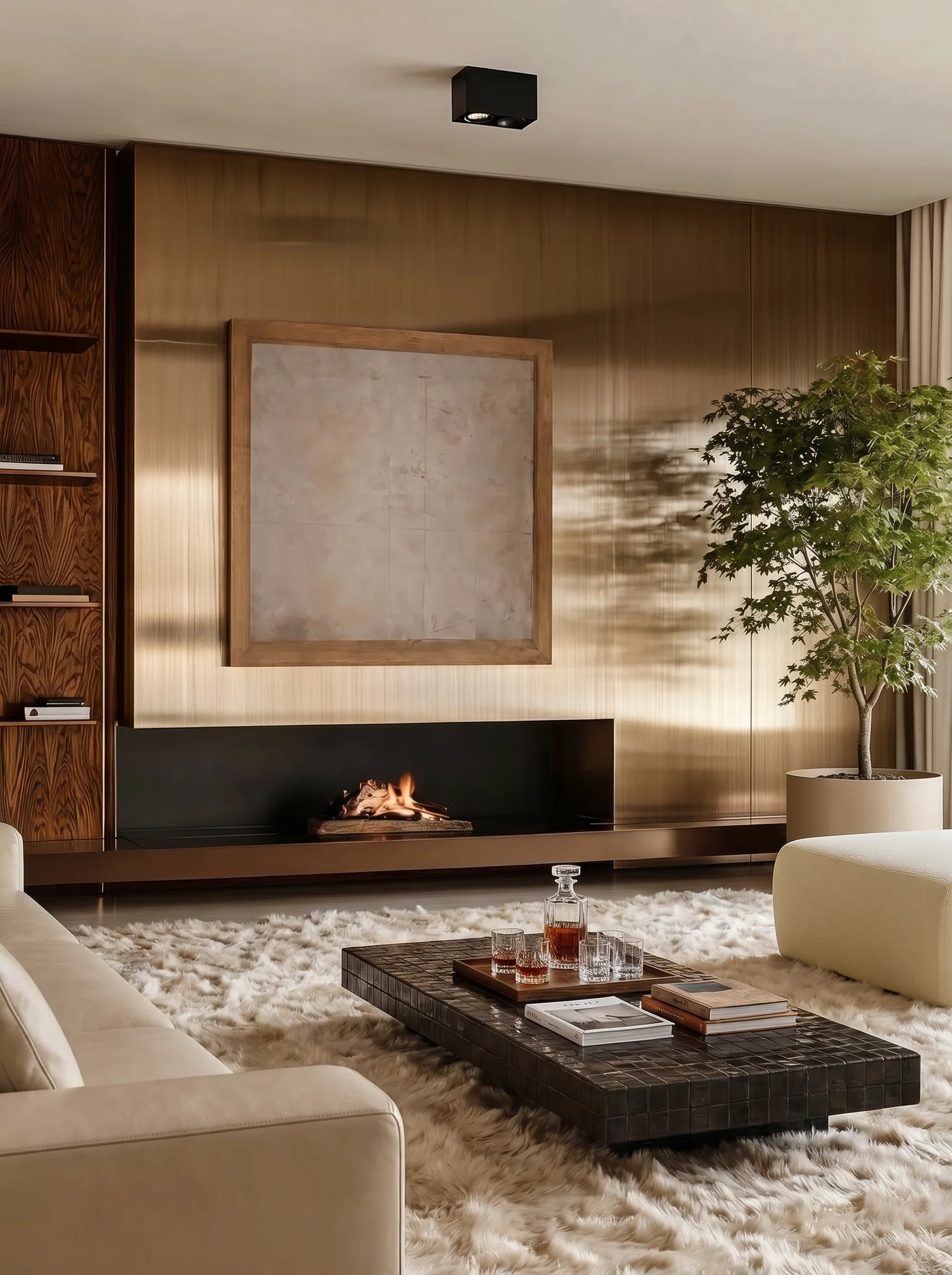
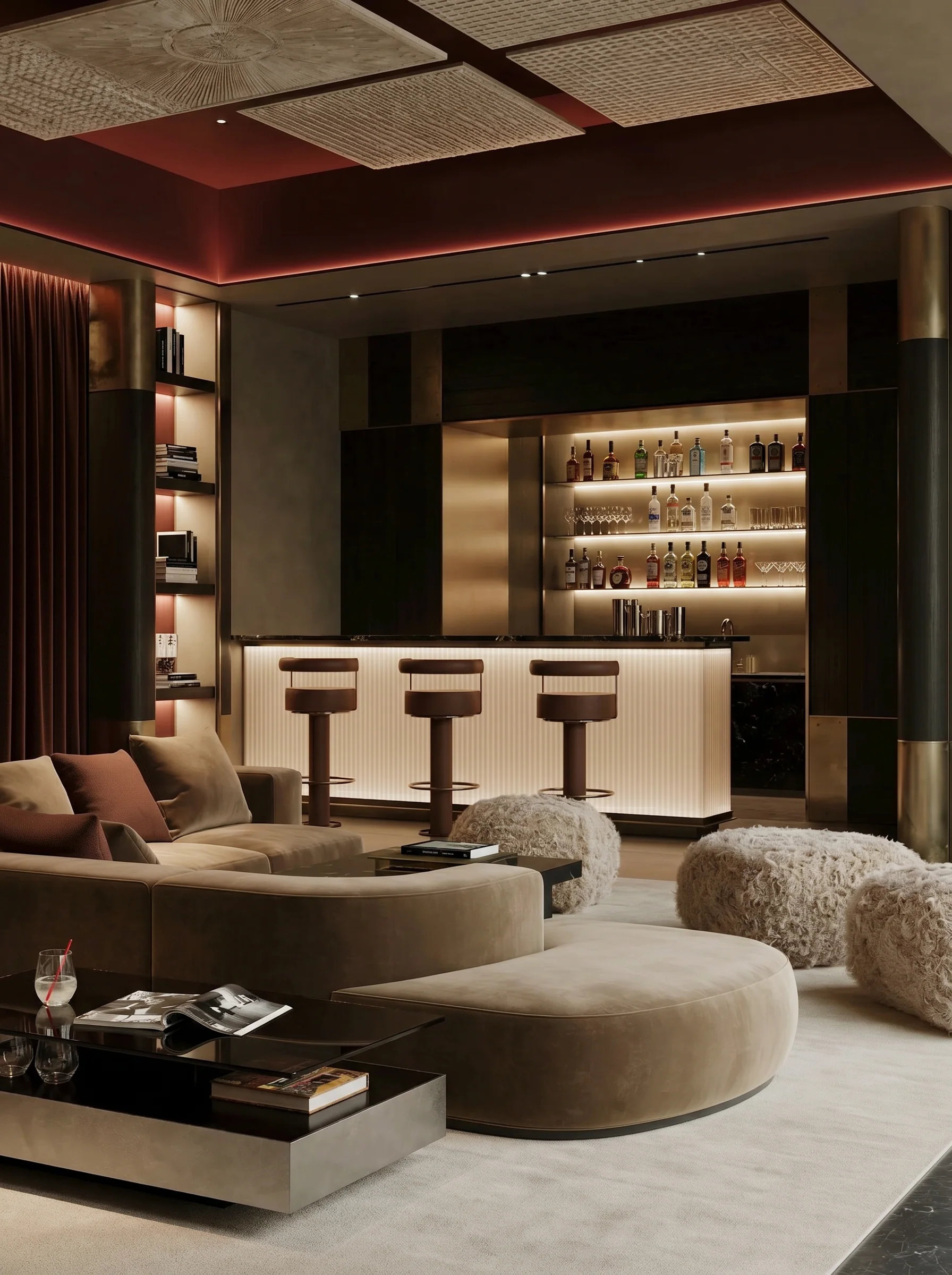
With those in place, “a living room for the Marbella villa” produces a first round of images that already look like the studio on a good day. Not finished, not final, but recognisably theirs.
Where the human stays in charge
AI changes which tasks are slow, not who decides. In studios that have made the transition well, the sequence looks like this: the designer sets direction, the system generates variations inside that direction, the designer edits, rejects and combines, and the final pass is always human. What disappears is the hours spent producing the first version of everything. What remains is the judgment, which is what the client pays for.
Three signs a studio is losing its style to AI
First, the images start to look like everyone else's. If a client cannot tell the studio's concept from a competitor's, the model is doing the deciding.
Second, the team starts choosing what is easy to generate over what is right for the project: curved everything, dramatic light, empty rooms with no life in them.
Third, the review conversation shifts from “is this right for the client?” to “can we get the AI to do this?”. When the tool sets the agenda, authorship has already moved.
All three are fixed the same way: back to the language document, back to the references, tighter constraints and more editing.
What this looks like in a real studio
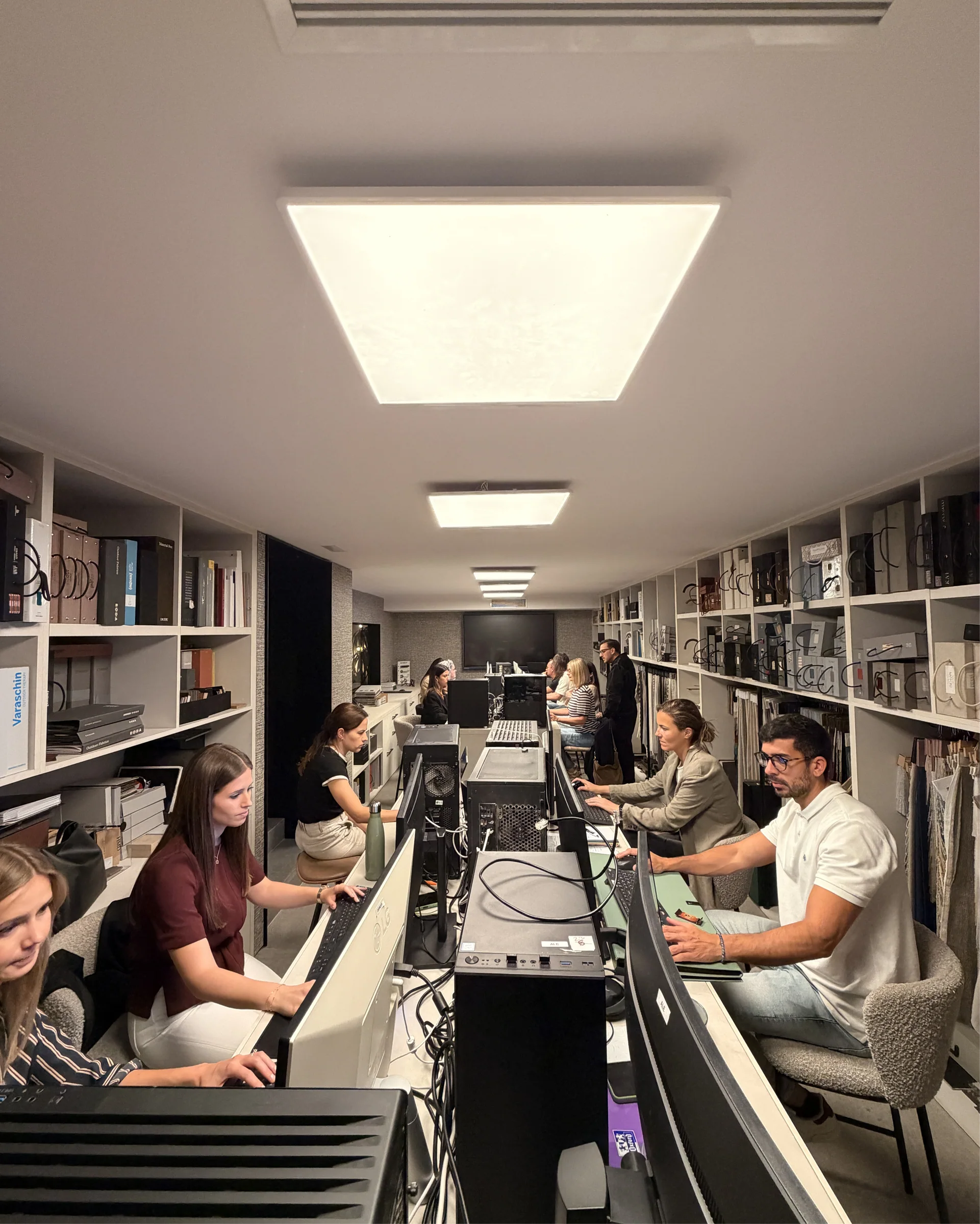
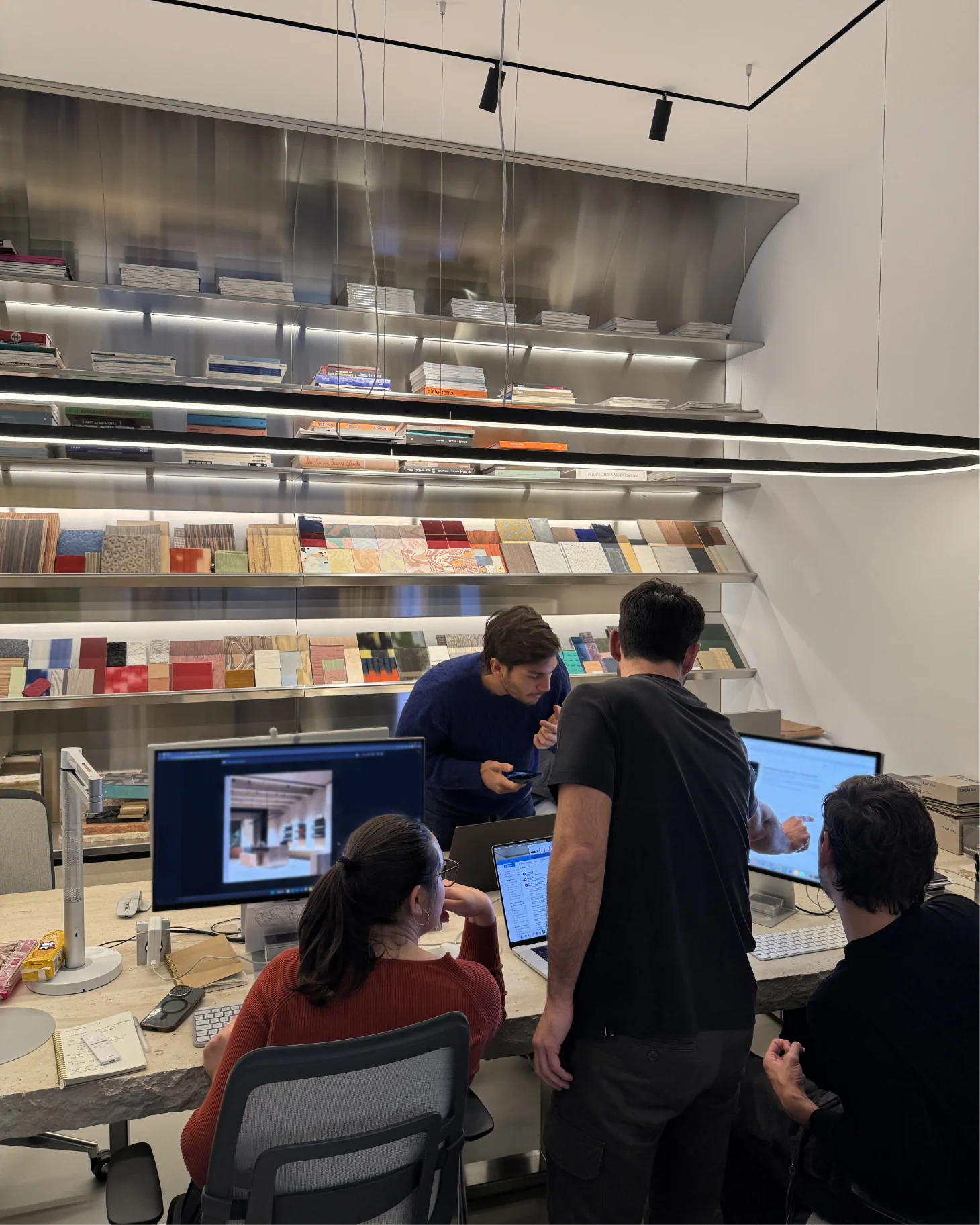
A European studio came to FORZ with a hospitality competition and a small team. Two working sessions later it had a method: its references encoded, prompts and workflows built around its language, and a way to review results against its own standard. The proposal won the competition. The style did not change. The speed did.
Frequently asked questions
Does AI copy other designers' work?
Image models learn patterns rather than pasting existing interiors. The practical risk for a studio is generic output, and the response is a strong, explicit design language.
Do we need to share our project files with an AI company?
No. A reference library and a language document can live inside the studio's own environment, and the assistant can be configured so nothing is used to train public models.
How long does it take to encode a studio's style?
Between one and three working sessions with the creative director and a senior designer, depending on how much of the language already exists in writing.